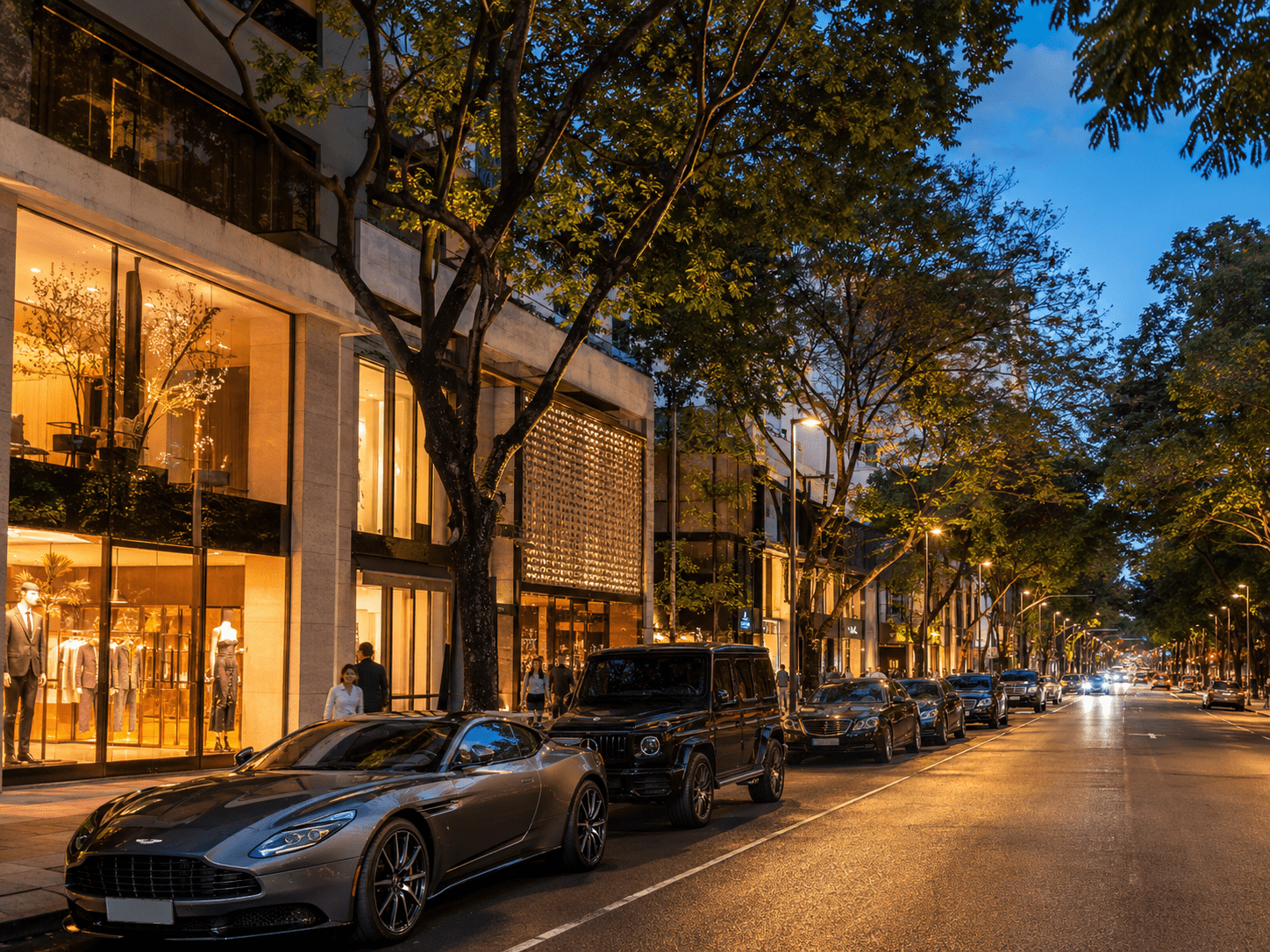
Higher nightly rates.Jardins
Our first recommendation. Leafy, upmarket and quiet, immediately south of Avenida Paulista, with the city's best restaurants and shopping on your doorstep.

You are not coming to São Paulo as an ordinary tourist. You are coming to have surgery and then recover well. Everything on this page is filtered through that — the weather, the timing, the neighbourhoods and every attraction is rated for whether it suits someone in the first two weeks after an operation.
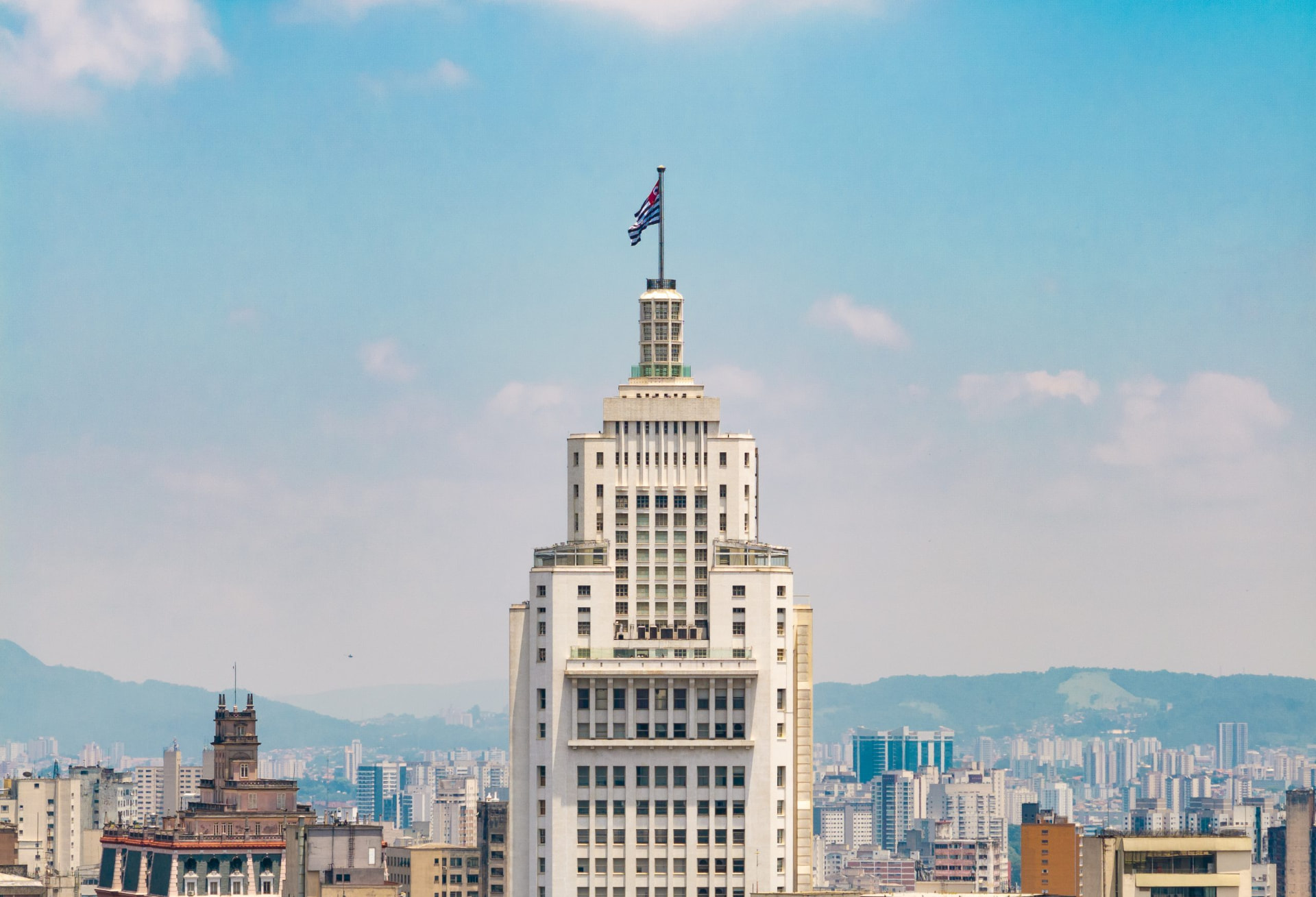
São Paulo was founded on 25 January 1554, when Jesuit priests Manuel da Nóbrega and José de Anchieta established a mission school — the Pátio do Colégio — on a plateau above the coastal plain. For three centuries it remained a modest backwater, a base for the bandeirantes, the frontier expeditions that mapped the Brazilian interior.
Everything changed in the nineteenth century with coffee. The railway down to the port of Santos turned São Paulo into the commercial heart of Brazil, and the coffee wealth funded the grand avenues and theatres of the old centre. From the 1880s onward the city absorbed wave after wave of immigration — Italian, Japanese, Lebanese, Portuguese, German and many more — which is why it is today one of the most diverse cities on earth and, by reputation, home to the largest Japanese community outside Japan.
In the twentieth century São Paulo became South America's industrial and financial engine. It matters to our patients for a direct reason: that wealth built the deepest concentration of private hospitals, specialist clinics and medical research in Latin America. Institutions such as Hospital Sírio-Libanês and Hospital Israelita Albert Einstein are consistently ranked among the best hospitals in the region.
Scale matters when you are choosing where to recover: a well-visited city means more English on the ground, more direct routes and more competition on price.
Sources: Prefeitura de São Paulo; IBGE estimates; São Paulo Turismo.
São Paulo is Brazil's working city — faster, denser and more vertical than Rio, and organised around work, food and culture rather than the beach. Paulistanos joke that they work so Rio can play.
What it trades in scenery it returns in substance: world-class restaurants on every block of Jardins and Itaim, museums and galleries along Avenida Paulista, and neighbourhoods with genuinely distinct characters — Japanese Liberdade, bohemian Vila Madalena, the old-money calm of Higienópolis.
It is a greyer, cooler, more urban city than Rio — and for a recovering patient, that is often exactly the point. Nobody here is expecting you to be on a beach.
Heat and humidity are the two things that make early recovery uncomfortable. This is how the year actually behaves.
Warm but less oppressive than Rio. Heavy afternoon thunderstorms are common, and this is the wettest time of year.
The dry season. Cool mornings, mild sunny afternoons and low humidity — the most comfortable recovery weather of the year. Bring a jacket; evenings drop properly.
Warm days return with rising humidity and the first storms. Famously changeable — locals say you can get four seasons in a day.
The dry season: mild days, low humidity, the lowest rainfall of the year and — outside Carnival, Pride and the Grand Prix — the best hotel rates.
The clinical argument matters as much as the cost one. Compression garments in heat and humidity are genuinely miserable, and fresh scars should be kept out of strong sun. São Paulo's mild, dry winter is as forgiving as recovery weather gets in Brazil.
Avoid Carnival, Pride weekend and the Formula 1 weekend; expect summer storms from December to March.
The Anhembi Sambadrome parades and huge street blocos across the city. Peak pricing and heavy demand on accommodation.
One of the largest Pride events in the world — several million people, and hotel rates spike on the avenue.
Hotels across the south of the city book out and rates rise sharply.
A major international event, but its impact on hotel prices is modest and localised.
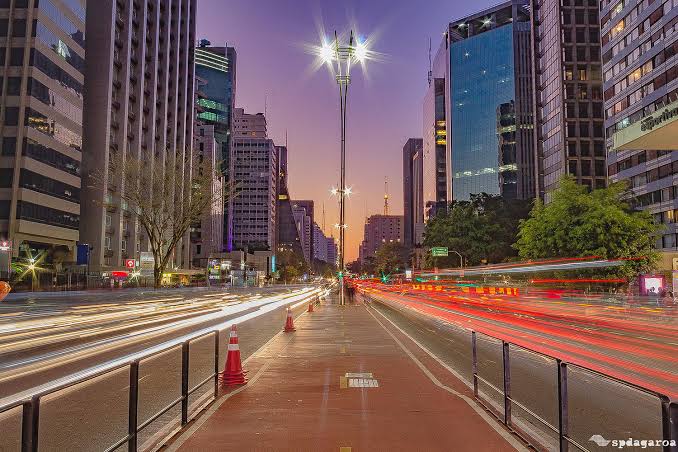
The avenue becomes a pedestrian promenade — genuinely pleasant for a gentle flat walk.
Domestic demand and prices rise in both windows.
Every one of these carries a recovery rating, because what matters after an operation is not how famous something is — it is whether it involves stairs, heat, hills or a long day on your feet.
São Paulo is enormous, so where you stay matters more here than in Rio. Nuviya places almost every patient on the south side of the centre: Jardins, Itaim Bibi, Vila Olímpia and Higienópolis.
The reasons are specifically about recovery rather than sightseeing: these are the flattest, safest and most walkable districts in the city, they hold the greatest concentration of quality hotels and serviced apartments, pharmacies and supermarkets sit on every block, and they put you within a short drive of the private hospitals our surgeons operate in — including Sírio-Libanês and Albert Einstein.
English is more widely spoken here than anywhere else in Brazil, and on Sundays Avenida Paulista closes to traffic, giving you a flat, car-free promenade for your early recovery walks.
Higher nightly rates.Our first recommendation. Leafy, upmarket and quiet, immediately south of Avenida Paulista, with the city's best restaurants and shopping on your doorstep.
Comparable to Jardins, with strong hotel supply.Our second recommendation. Modern, safe and full of hotels, restaurants and medical clinics — the city's business-and-dining quarter.
Better value than Jardins.Old-money residential calm, a short drive north of Jardins.
The best value.A polished business district further south, with large modern hotels.
Indicative nightly rates pulled live from our accommodation partner, in the neighbourhoods we would actually put you in.
Loading live availability…
Indicative rates from a live search of an example seven-night stay. Enter your own dates on a property to see the rate for those nights.
São Paulo is milder, more temperate and closer in feel to Melbourne, home to the top-ranked hospitals on the continent, with hotels slightly cheaper than Rio de Janeiro's Zona Sul.
Rio de Janeiro is warmer, beachfront and flatter underfoot, with slightly lower costs than São Paulo — Brazil's surgical heartland and the easier city for gentle daily recovery walks.
Recovering in Rio de JaneiroSee the surgeons we would match you with, and what the all-in figure looks like.