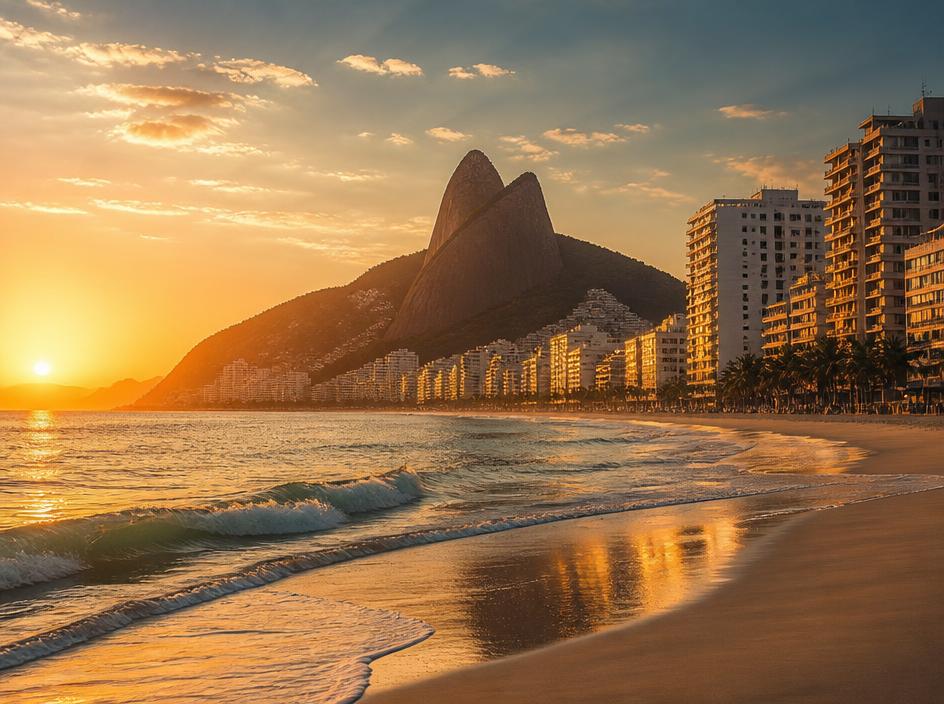
Higher nightly rates.Ipanema
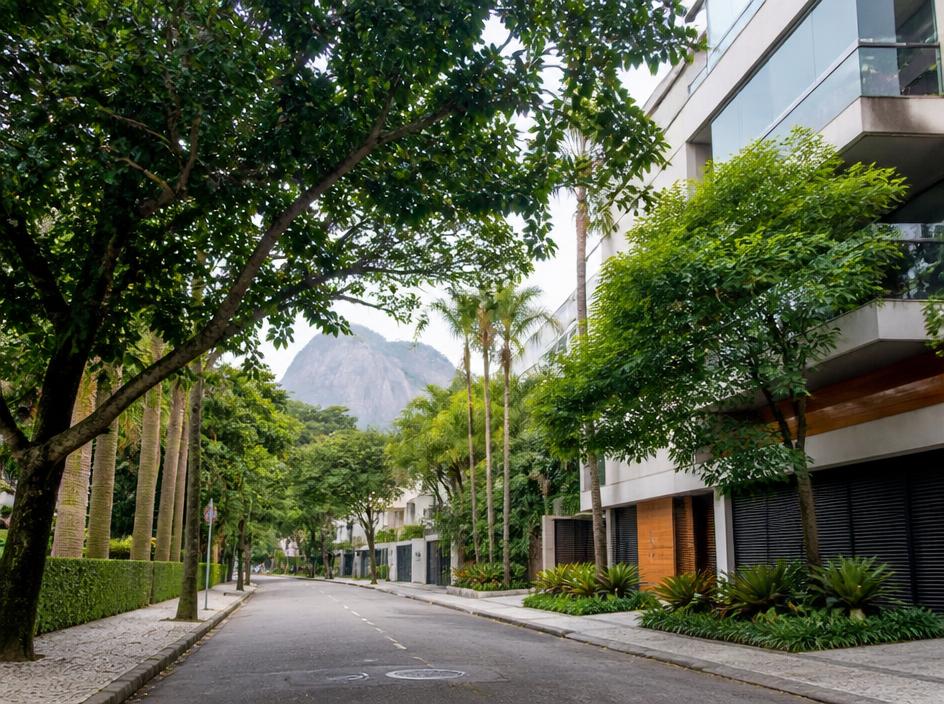
Our first recommendation. Quieter and more residential than Copacabana, upmarket, with the best restaurants in the city.

You are not coming to Rio de Janeiro as an ordinary tourist. You are coming to have surgery and then recover well. Everything on this page is filtered through that — the weather, the timing, the neighbourhoods and every attraction is rated for whether it suits someone in the first two weeks after an operation.
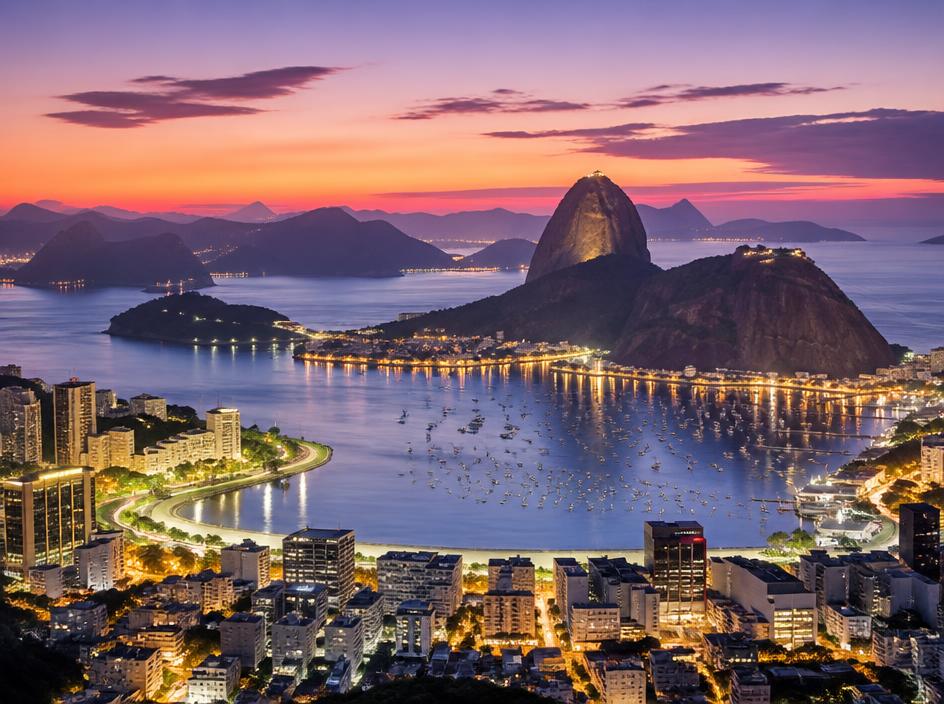
Portuguese navigators reached Guanabara Bay in January 1502 and, believing it was the mouth of a river, called it Rio de Janeiro — River of January. The city was founded on 1 March 1565 as São Sebastião do Rio de Janeiro by Estácio de Sá.
When the Portuguese court fled Napoleon in 1808, Rio de Janeiro became the seat of the Portuguese Empire — the only time a European capital has sat outside Europe. It remained Brazil's capital from 1763 until Brasília took over in 1960. More recently it hosted the 2014 World Cup final and the 2016 Olympic Games, and in 2012 UNESCO inscribed "Rio de Janeiro: Carioca Landscapes between the Mountain and the Sea" as a World Heritage site.
There is one piece of history that matters directly to our patients: Rio de Janeiro is the birthplace of modern Brazilian plastic surgery. Ivo Pitanguy established his clinic here in 1963, and the Pitanguy school shaped the technique and the training that made Brazil the world leader.
Scale matters when you are choosing where to recover: a well-visited city means more English on the ground, more direct routes and more competition on price.
Sources: City of Rio de Janeiro; Embratur (2025).
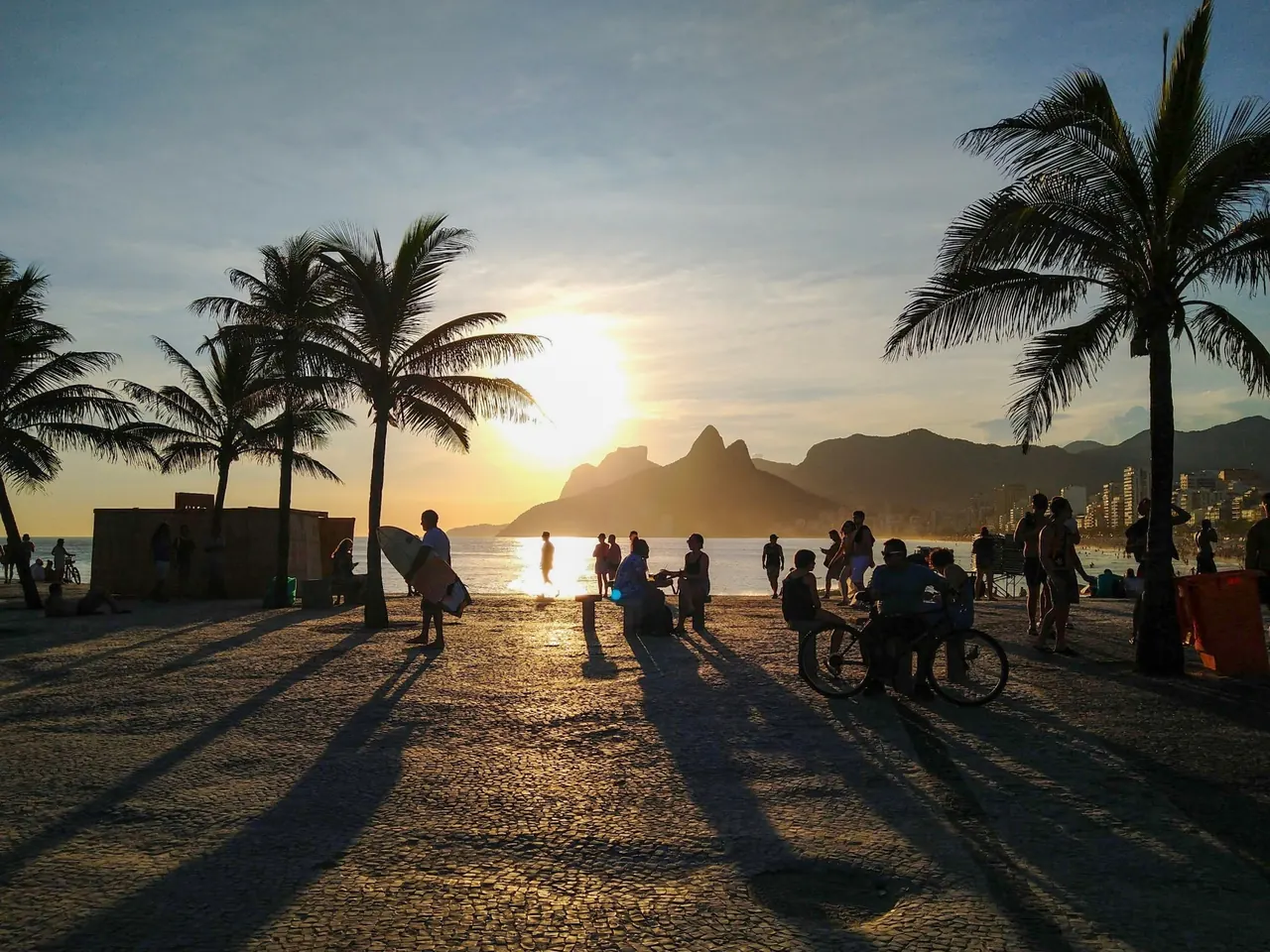
Carioca life is organised around the beach as a public living room rather than a day trip. The praia is social infrastructure, and the lifeguard posts — the postos — work as social markers, Posto 9 in Ipanema most famously.
Samba was born here, and bossa nova came out of Ipanema in the late 1950s. Botequim culture — small corner bars, cold chopp, unhurried — is the default social setting.
It is a slower, more outdoor and more physical city than São Paulo.
Heat and humidity are the two things that make early recovery uncomfortable. This is how the year actually behaves.
High humidity, with short heavy afternoon storms.
Drier, with notably lower humidity — the best recovery weather of the year.
Humidity building and crowds building. The sea is warm year-round.
Mild, dry, low humidity, the smallest crowds and the lowest accommodation rates of the year.
The clinical argument matters as much as the cost one. High heat and humidity make compression garments genuinely miserable, and strong sun on fresh scars is something every surgeon will tell you to avoid.
Avoid mid-December through Carnival, and avoid July.
Around two million people on the beach, and the highest hotel rates of the year.
City-wide street blocos and the Sambadrome parades. Peak pricing, and accommodation booked far ahead.
Moderate impact.
Moderate and localised impact.
Neighbourhood festivals, with low impact on prices.
Very large, with significant price impact in the year it is held.
These have become a major draw and can spike demand at short notice. Lady Gaga's May 2025 Copacabana concert brought an estimated 130,000 extra visitors to the city.
Domestic demand and prices rise in both windows.
Every one of these carries a recovery rating, because what matters after an operation is not how famous something is — it is whether it involves stairs, heat, hills or a long day on your feet.
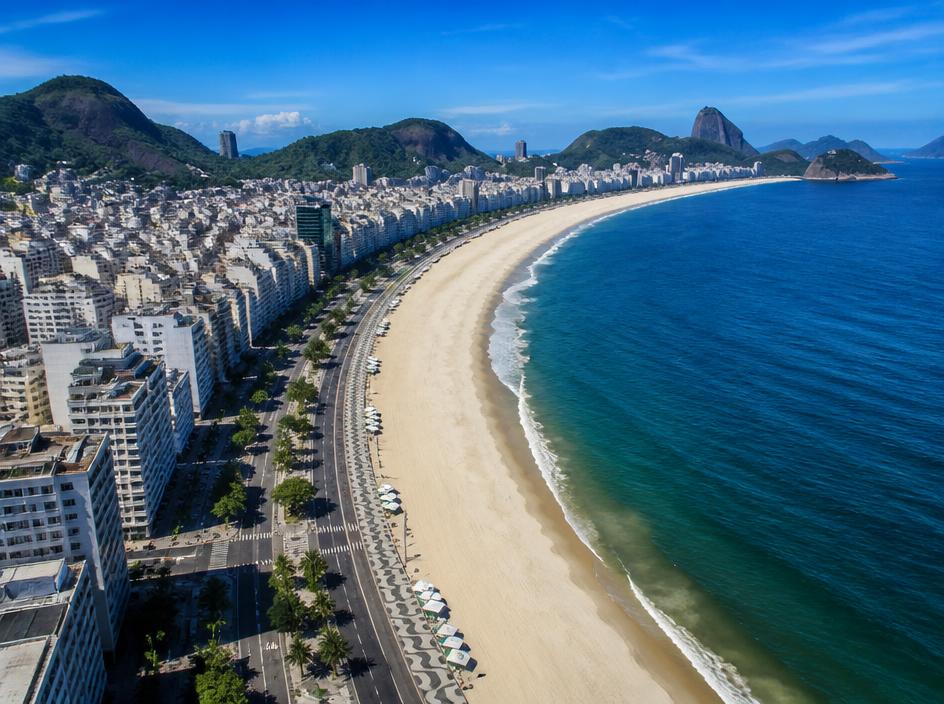
Zona Sul is the coastal southern arc of the city: Copacabana, Ipanema, Leblon, Leme, Arpoador, Botafogo, Flamengo, Urca, Lagoa, Gávea, Jardim Botânico, Laranjeiras and Humaitá.
It is where Nuviya places almost every patient, for reasons that are specifically about recovery rather than sightseeing: it is flat, it is genuinely walkable, pharmacies and supermarkets are on nearly every block, it holds the densest concentration of quality hotels and serviced apartments in the city, it has the best access to the private hospitals, English is more widely spoken than elsewhere, and the beachfront promenades and the 7.2 km flat loop around Lagoa Rodrigo de Freitas give you somewhere pleasant and level to do the short daily walks that are part of your recovery protocol.
Metro Line 1 runs the length of it.
Higher nightly rates.Our first recommendation. Quieter and more residential than Copacabana, upmarket, with the best restaurants in the city.
Better value than Ipanema.Our second recommendation. Far more hotel supply than Ipanema, everything open late, more crowded and more touristy.
The most expensive.The quietest and most residential of the three.
Better value again.Less beach-focused, with excellent metro access.
Indicative nightly rates pulled live from our accommodation partner, in the neighbourhoods we would actually put you in.
Loading live availability…
Indicative rates from a live search of an example seven-night stay. Enter your own dates on a property to see the rate for those nights.
Rio de Janeiro is warmer, beachfront and flatter underfoot, with slightly lower costs than São Paulo — Brazil's surgical heartland and the easier city for gentle daily recovery walks.
São Paulo is milder, more temperate and closer in feel to Melbourne, home to the top-ranked hospitals on the continent, with hotels slightly cheaper than Rio de Janeiro's Zona Sul.
Recovering in São PauloSee the surgeons we would match you with, and what the all-in figure looks like.